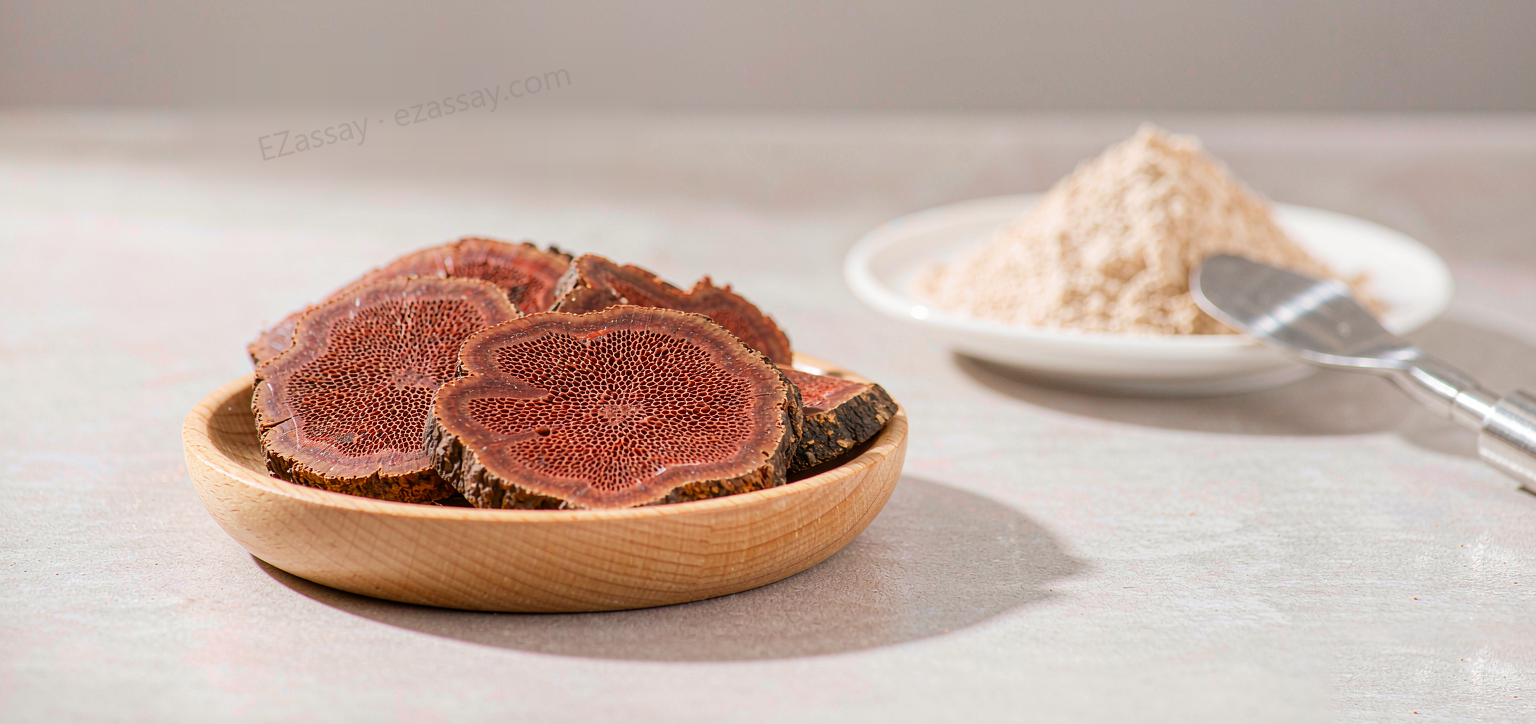
Velvet antler powder: red deer, reindeer or sika deer? They look much the same, and once milled, the difference is harder still.
A tuna steak raises the same question. Atlantic bluefin, bigeye or yellowfin? Cut into cubes for the counter, the fish gives almost nothing away.
Different products, one question underneath: which species is this, really? For a laboratory asked to confirm what is actually in a sample, that is routine work — and it was the starting point of a recent custom development project at EZassay.
01 | Background: starting from a defined identification requirement
The project came from a government institute for food and drug control that needed a rapid, reliable molecular method for velvet antler and its close relatives. The difficulty is not detection as such but differentiation: closely related deer species share much of their sequence, so the assay has to read the small differences that separate them. Processing makes it harder again. Once velvet antler is milled to powder, much of the appearance-based evidence that morphological identification relies on is gone.
02 | Technology: RPA + Exo probe
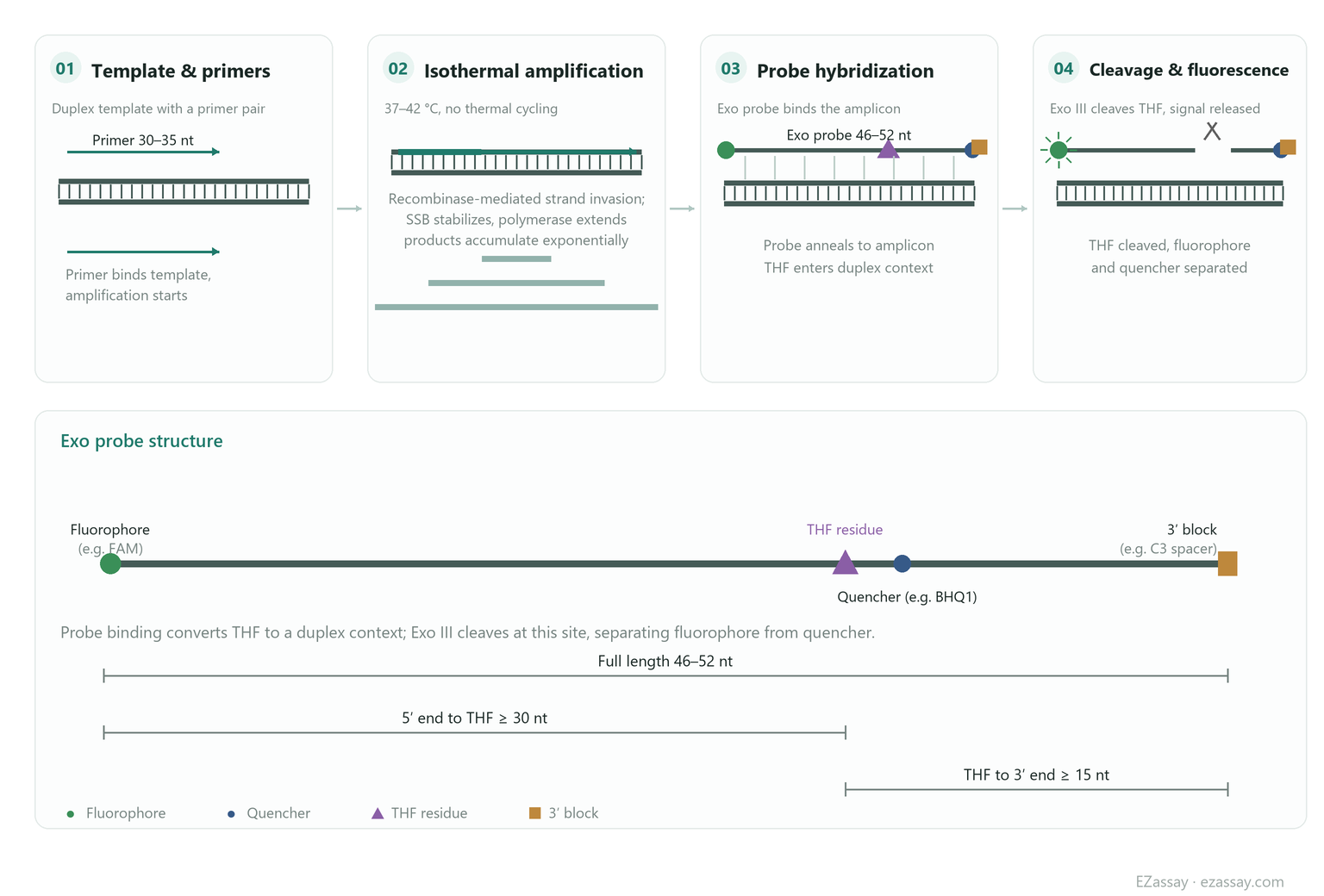
The assay combines recombinase polymerase amplification (RPA) with Exo probe-based fluorescence detection, enabling isothermal amplification and species-specific signal readout on standard laboratory fluorescence equipment. We also developed a sample preparation workflow tailored to powdered medicinal materials and compatible with the RPA fluorescence assay.
03 | Development: successive rounds of screening
Work between closely related species is the discriminating part of a project like this: first establishing what actually separates the target from its near neighbors, then building an assay that reads that difference reliably. EZassay ran multiple rounds of primer and probe screening, followed by reaction condition optimization and experimental evaluation, and established a stable RPA–Exo probe method tailored to the client’s identification targets.
04 | Verification: real samples
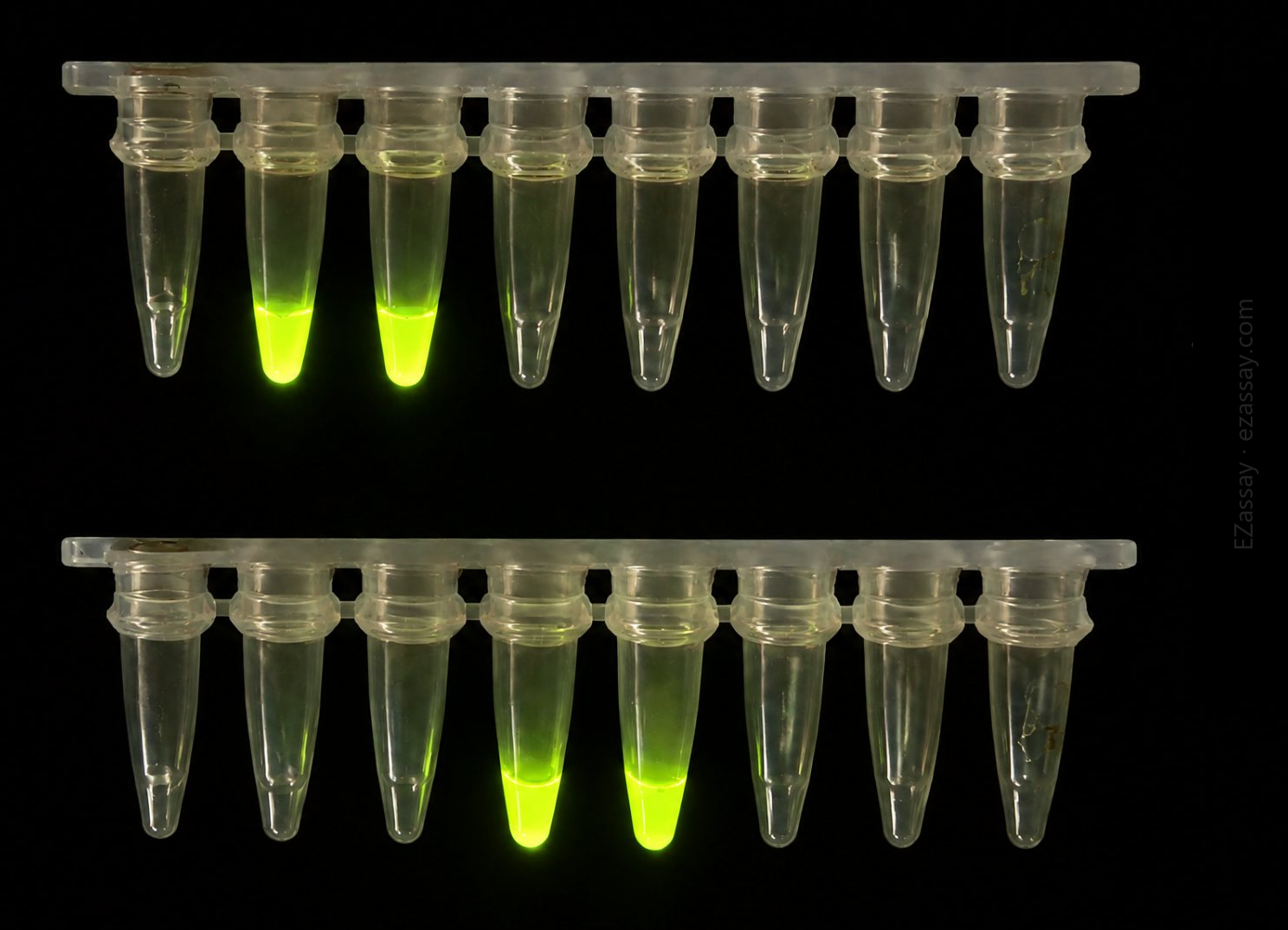
Verification used real powdered TCM samples supplied by the client, with results supporting the intended differentiation under laboratory conditions. This is the step where discrimination between closely related species is tested against real material rather than against controls alone.
05 | Outcome: from development to practical use
The custom assay has been fully developed and delivered, and the client has put it into use. For species identification of high-value medicinal materials, differentiation of closely related species, and rapid laboratory nucleic acid testing, the same project-based approach applies, with assay design and optimization tailored to each target and sample type.
Custom assay development at EZassay
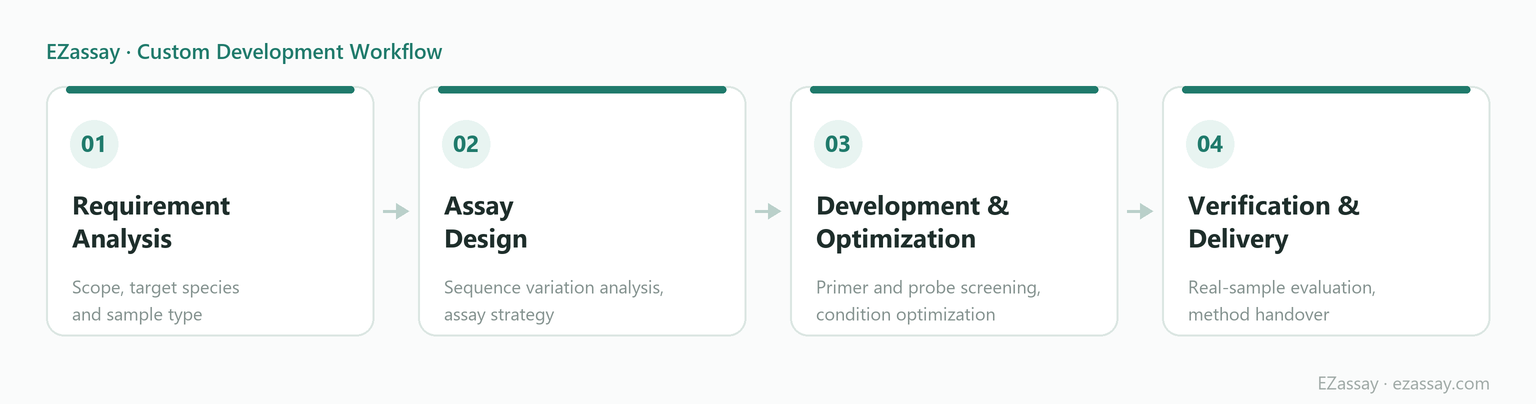
Each project starts from a defined identification target and sample type. From assay design through optimization and delivery, EZassay supports project-based development of molecular detection methods built around a specific requirement.
- Assay design and optimization for a defined target
- Sample preparation workflows tailored to the sample matrix
- Experimental evaluation, verification and project delivery
Responsive technical support runs from first discussion to method handover.
About EZassay
EZassay Biotech provides molecular detection and protein reagent solutions, with expertise spanning enzyme development, isothermal amplification, CRISPR-based detection and assay customization. We work with research institutions, laboratories and industry partners on solutions built for specific detection needs.
Research use only (RUO). Reagents referenced here are for research use only. This case describes a customized assay development and laboratory evaluation project; identification conclusions rest with the commissioning laboratory. It does not imply regulatory approval or validation as an official pharmacopoeial method.